end.
Training your new pup can be an exciting and rewarding experience, but it can also be challenging. While there are many different methods of training, positive reinforcement is one of the most effective and widely used techniques. Positive reinforcement involves rewarding your pup for good behaviors, rather than punishing them for bad behaviors. It is a science-backed method that has been proven to be both effective and humane.
One tool that is often used in positive reinforcement training is a training collar. Training collars come in many different styles and types, but they all serve the same purpose: to help you communicate with your pup and reinforce positive behaviors. In this article, we will discuss the science behind positive reinforcement with training collars and provide some tips for using them effectively.
The Science Behind Positive Reinforcement
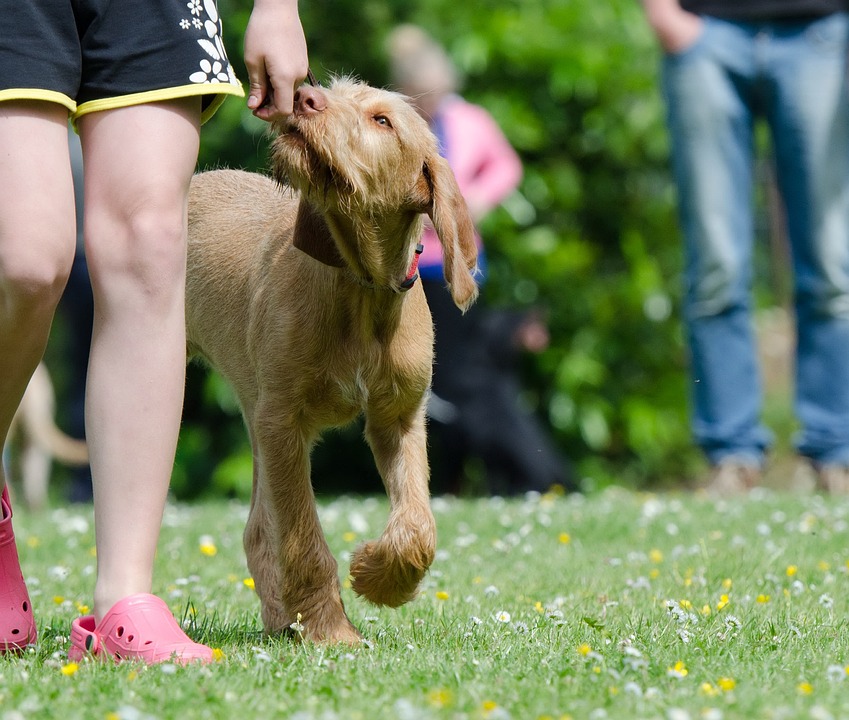
Positive reinforcement is based on the principles of operant conditioning, a psychological theory first introduced by B.F. Skinner in the 1930s. According to this theory, behaviors that are rewarded are more likely to be repeated, while behaviors that are not rewarded are less likely to be repeated. Positive reinforcement relies on rewarding your pup with something they enjoy, such as treats or praise, in order to encourage them to repeat desired behaviors.
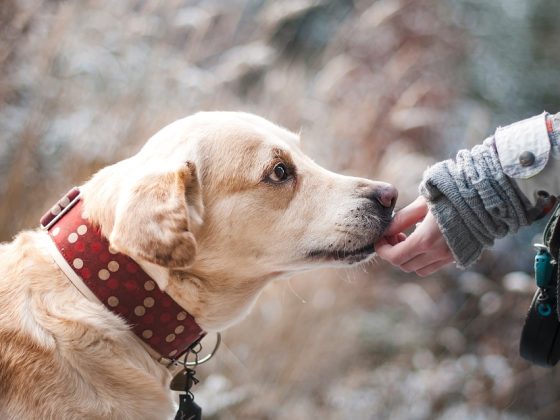
Training collars can be a useful tool in positive reinforcement training because they allow you to deliver rewards or corrections quickly and consistently. For example, if your pup is pulling on the leash during a walk, you can use a training collar to gently guide them back into the correct position. When they comply, you can reward them with a treat or praise to reinforce the behavior.
One important thing to keep in mind when using training collars is to never use them as a form of punishment. Positive reinforcement is all about rewarding good behaviors, not punishing bad ones. Using a training collar to administer corrections or punishments can create fear and mistrust in your pup, which can actually make training more difficult in the long run.
Tips for Using Training Collars Effectively
If you decide to use a training collar to help with your pup’s training, there are a few tips you should keep in mind to ensure that you are using it effectively:
1. Start slowly: Introduce your pup to the training collar gradually. Let them sniff it and get used to wearing it before you start using it for training purposes.
2. Be consistent: Consistency is key when it comes to positive reinforcement training. Make sure to use the training collar the same way each time, so your pup knows what to expect.
3. Use rewards: Always pair the use of the training collar with a reward, such as a treat or praise. This will help reinforce positive behaviors and make training more enjoyable for your pup.
4. Be patient: Training takes time and patience, so be prepared to work with your pup regularly and be patient as they learn.
5. Seek professional help: If you are having trouble with training, don’t be afraid to seek help from a professional trainer. They can offer guidance and support to help you and your pup succeed.
FAQs
Q: Are training collars safe for my pup?
A: When used correctly, training collars are safe and humane. It is important to follow the manufacturer’s instructions and use the collar as a tool for positive reinforcement, rather than punishment.
Q: Will using a training collar make my pup afraid of me?
A: No, using a training collar properly will not make your pup afraid of you. Positive reinforcement training focuses on rewarding good behaviors, not punishing bad ones.
Q: How long will it take to train my pup using a training collar?
A: Training timelines can vary depending on the individual pup and the behaviors you are trying to teach. Consistency and patience are key to successful training with a training collar.
In conclusion, positive reinforcement training with training collars can be a highly effective way to teach your pup good behaviors and strengthen your bond with them. By understanding the science behind positive reinforcement and using training collars in a humane and consistent manner, you can help your pup become a well-behaved and happy member of your family.