Hey there, fellow dog lovers! 🐾 are you looking to turn your furry friend into the well-behaved companion you’ve always dreamed of? Well, you’ve landed in the right place! Training your dog doesn’t have to be a daunting task reserved for the pros or fancy dog schools. Actually,some of the best training happens right in the comfort of your own home! Whether you’ve just welcomed a wiggly puppy into your life or have a seasoned pooch who could use a refresher,mastering dog training at home can be both fun and rewarding. So grab a treat (or two) and let’s dive into some pawsome tips that will leave your canine companion tail-wagging with joy! 🐶✨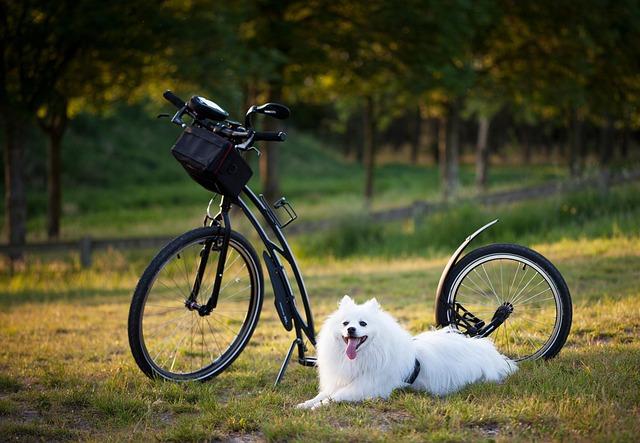
Unlocking the Secrets of Positive Reinforcement for Tail-Wagging Results
Positive reinforcement is like the secret sauce to dog training, transforming even the most mischievous pup into a well-behaved companion. It’s all about rewarding the behavior you want to see, making it more likely to happen again. Here are some great ways to implement this technique:
- Use treats: Small, soft treats are perfect for quick rewards when your dog follows commands.
- Offer praise: Your keen “good boy/girl!” can meen the world to your furry friend.
- Incorporate play: A game of tug or fetch can serve as a fantastic reward for successful training sessions.
To further enhance your dog’s learning experience, consider using a variety of rewards to keep things interesting.Just like humans,dogs can get bored with the same old routine.Here’s a simple chart to give you ideas on how to mix it up!
| Reward Type | Best For |
|---|---|
| Treats | Basic commands |
| Toys | During play or training breaks |
| Affection | Completed tasks or tricks |
| Outdoor Time | Longer training sessions |
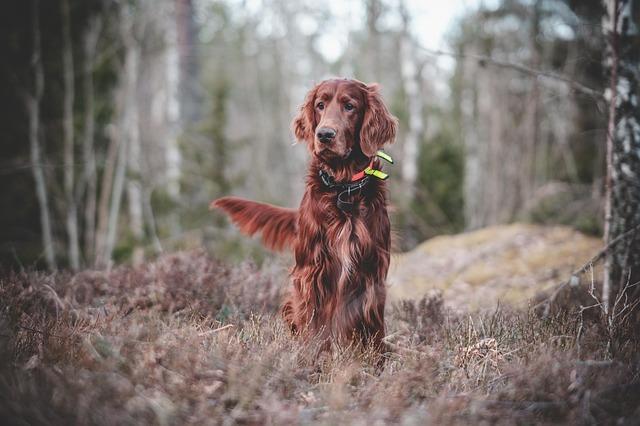
Creating a Fun and Engaging training Space for Your Furry Friend
Creating an inviting and stimulating habitat for your pooch can make all the difference in training sessions. Start by designating a specific area in your home where your dog can feel agreeable and focused. You can jazz it up with some of these fun elements:
- Soft mats or rugs: Provide a cozy spot for your pup to sit and chill between exercises.
- Interactive toys: Keep them entertained when not training, while also improving their problem-solving skills.
- Calming scents: Consider using dog-safe scents or pheromone diffusers to create a relaxing atmosphere.
Additionally, minimize distractions that may pull their attention away from the training.Use a noise-cancelling machine or play soft music to keep them focused on you. To track progress and milestones,consider implementing a simple table to maintain the training routine. Here’s a fun sample you might use:
| Training Session | Duration | Commands Practiced | Dog’s Reaction |
|---|---|---|---|
| Session 1 | 15 mins | Sit, Stay | excited! |
| Session 2 | 20 mins | Come, Heel | Focused! |
| Session 3 | 10 mins | Lie Down | Relaxed |
Essential Commands Every Dog should Know and How to Teach Them
Training your dog can be a fun and rewarding experience, but it all starts with mastering the essential commands. These commands not only keep your canine companion safe but also strengthen the bond between you two. Here are some crucial commands every dog should know:
- Sit: A basic command that helps establish control.
- Stay: Teaches patience and prevents them from bolting.
- Come: Essential for safety, especially in open areas.
- Leave it: Keeps them from picking up harmful objects.
- Heel: Promotes controlled walking on a leash.
To teach these commands, consistency is key! Use positive reinforcement such as treats or praise to encourage your pup. Start in a quiet environment with minimal distractions. such as, to teach “Sit,” hold a treat above your dog’s nose and bring it straight back over their head. As their head goes up, their bottom will naturally drop down. The moment they sit, reward them with the treat and lots of praise. You can even create a little training log to track their progress, like this:
| Command | Progress | Date Taught |
|---|---|---|
| Sit | ✔️ | Oct 1 |
| Stay | ✔️ | Oct 5 |
| Come | 🚧 | Oct 10 |
Common Training Mistakes and How to Avoid Them for a Happy Pup
Every dog owner wants a well-behaved pet, but it’s easy to fall into the trap of common training mistakes that can lead to frustration for both you and your pup. One major faux pas is inconsistent commands. When you use different words or tones for the same command, it can confuse your dog. To avoid this, establish a consistent set of commands and hand signals and stick to them! Another mistake is over-rewarding during training sessions. While positive reinforcement is crucial,too many treats can dilute their effectiveness. Rather, use a balance of treats, praise, and affection to keep your pup motivated.
Another pitfall pet parents often encounter is lack of patience. Learning takes time, and it’s essential to remember that every dog learns at their own pace. If you rush your pup or show frustration, it can lead to anxiety and hinder their progress. Creating a calm and positive environment is key to success. Additionally, neglecting socialization is a common mistake. Without proper exposure to different environments, people, and other animals, your dog may develop anxiety or aggression. To prevent this, gradually introduce your pup to new experiences, creating a well-rounded and confident companion.
Q&A
Mastering Dog Training at Home: Tips for happy Pups!
Q&A: Your Dog Training Questions Answered
Q: Is it really possible to train my dog at home?
A: Absolutely! Training your dog at home can be super rewarding and is totally doable with a little patience and dedication. Plus, it can strengthen the bond between you and your furry friend. You don’t need fancy classes or elaborate setups; just you,your dog,and some tasty treats!
Q: How do I get started with training my dog?
A: Start with the basics! Focus on simple commands like “sit,” “stay,” and “come.” Choose a quiet place where your dog can focus, keep your sessions short (around 5-10 minutes), and make it fun! Remember, consistency is key, and positive reinforcement goes a long way. Treats,praise,and playtime can all be great motivators!
Q: My dog seems to forget commands. What can I do?
A: Don’t sweat it! Dogs, much like humans, can forget things. Try to repeat the commands consistently and practice regularly. If you notice your pup struggling, go back to basics and reinforce the command in a fun way, maybe even add in some playtime as a reward. Regular short sessions tend to work wonders!
Q: How do I address behavioral issues like jumping or barking?
A: Jumping and barking are common issues, but they can be managed! For jumping, turn your back and ignore your dog when they jump. When all four paws are on the ground,reward them with attention or treats.For excessive barking,identify the trigger. Is it boredom or excitement? Channel that energy into training or playtime, and always reward the quiet moments!
Q: What if my dog doesn’t respond to treats?
A: No worries! Not all dogs are food-motivated. Try out different rewards—some dogs love toys, while others might go crazy for belly rubs or playtime. Figure out what makes your pup tick and use that as a reward during training sessions.
Q: How long does it usually take to train a dog?
A: Every dog is unique, but most pups can pick up the basics within a few weeks with consistent training. The key is to be patient. You’re building a vocabulary together; some lessons might stick faster than others. Enjoy the process and celebrate those little wins along the way!
Q: How can I keep training sessions engaging?
A: Mix it up! Change locations, try new commands, or introduce fun agility exercises. You can also incorporate games like fetch or hide-and-seek to maintain your pup’s interest. The goal is to make training feel more like play than a chore; your dog will be excited and eager to learn!
Q: Are there any resources or tools you recommend for at-home training?
A: Definitely! There are fantastic books and online resources available to guide you. Apps like “Puppr” offer step-by-step tutorials and training tips.You might also look into clicker training if you want to bring in a different method.A few toys or training aids can help keep things fun too!
Q: Final thoughts?
A: Remember, the goal is a happy pup and a well-behaved one! Stay positive, embrace the learning process, and always celebrate the small victories. Your furry friend will appreciate the time spent together, and who knows? You might just discover an amazing training partnership along the way. Happy training! 🐶✨
To Wrap It up
And there you have it, friends! Mastering dog training at home doesn’t have to feel like rocket science. With a little patience, a sprinkle of creativity, and a whole lot of love, you can turn your living room into a fun training space that sets your pup up for success. Remember, every wag of the tail is a sign that you’re on the right track. So grab those treats, embrace the joy of the journey, and don’t forget to celebrate the small victories along the way. Training sessions are a great opportunity to bond, laugh, and maybe even share a snack or two (just make sure it’s dog-safe!). Here’s to happy pups and happy humans—now go out there and show the world what an amazing team you are! 🐾❤️