Title: Mastering Pup Skills: Fun Ways to Train Your Dog at Home!
Hey there, dog lovers! 🐾 So, you’ve got a furball at home who’s full of energy and ready to bond with you – but maybe a little too much playfulness and not enough “Listen up, buddy!” If your living room has become a makeshift puppy playground and your favorite pair of shoes is looking a bit chewed, don’t worry; you’re definitely not alone! Training your dog at home can be as simple as a game of tug-of-war or a cozy afternoon on the couch filled with treats.
In this article, we’ll dive into some fun, creative ways to turn training sessions into a tail-wagging good time for you both. Whether your pup is a mischievous puppy or a wise old dog,these tips will help you master those essential skills while keeping it light-hearted and enjoyable. Get ready to roll up those sleeves (or maybe just grab some tasty snacks) and let the fun begin!
Understanding Your Dog’s Learning style
Every dog is unique,and understanding how your furry friend learns best can make a huge difference in your training success.Dogs generally fall into different learning categories, influenced by their breed, age, and personality. Some pups excel with visual cues, while others respond better to auditory signals or even tactile feedback.Observing how your dog reacts to different training methods can help you tailor your approach,making the process enjoyable for both of you. Here are some common learning styles to consider:
- Visual Learners: These dogs benefit from seeing what you want them to do. Use hand signals or visual aids to guide them.
- Auditory Learners: These pups respond to verbal commands and tones. Use a consistent voice and positive reinforcement to encourage them.
- Tactile Learners: Physical touch can be a big motivator. Incorporate gentle pats or play into your training sessions.
It can also be helpful to adapt your training sessions according to your dog’s mood and energy levels. Some dogs are energetic and eager to learn in short bursts,while others might prefer longer,slower sessions. Keep an eye on their concentration and happiness. You can even create a simple table to track how your dog responds to various techniques:
| Training Method | Dog’s Response | Notes |
|---|---|---|
| Hand Signals | Energetic & Focused | Works best in quiet environments. |
| Verbal Commands | Rapid Learner | positive reactions to excited tones. |
| physical Touch | Engaged & Happy | Interactive play helps retention. |
Creative Training Games to Keep It Fun
Training your furry friend doesn’t have to be a chore! Turn each session into a delightful game that keeps both you and your pup engaged. As a notable example, Hide and Seek is a fantastic way to encourage your dog to use their sense of smell and spatial awareness. Start by having your dog stay while you hide somewhere in the house. Call them once you’re hidden and celebrate their find enthusiastically when they discover you! This not only strengthens your bond but also sharpens their listening skills.
Another interactive way to make training enjoyable is through the Treasure Hunt game. Simply hide treats around the house or yard, creating a mini scavenger hunt. Use commands like “find it!” or “Search!” to prompt your pup on their quest. this game is excellent for reinforcing your dog’s command response while giving them mental stimulation.You can also mix in some new commands or tricks and reward them with a treat when they follow through. Here’s a quick table of some easy games you can try:
| game | Description |
|---|---|
| Fetch with a Twist | Incorporate commands like ”Drop it!” or “Sit!” when they return. |
| Obstacle Course | Use furniture and toys to create a fun course and guide them through it. |
| Simon Says | Use basic commands to mimic the game and reward correct actions. |
Essential Commands Every Pup should Know
When it comes to training your furry friend, a solid foundation of essential commands can make your life a whole lot easier. These commands not only help with your pup’s behavior but also strengthen the bond between you two.Start with these key commands:
- Sit: The classic command that teaches your pup to sit calmly.
- Stay: A great skill for keeping your dog in one place, especially when you’re busy.
- Come: Essential for calling your pup back to you, whether at the park or at home.
- Leave it: A crucial command for keeping your furball safe from things they shouldn’t munch on.
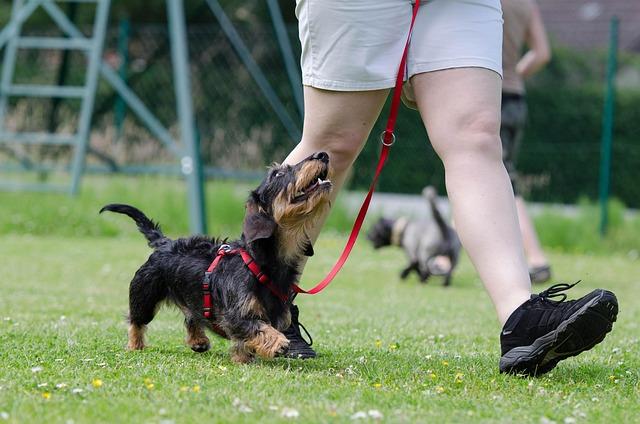
- Heel: Ensures your pooch walks nicely beside you on a leash.
To maximize your training sessions, consider incorporating playful exercises. A table of fun activities can definitely help you gauge your pup’s progress and keep training exciting:
| Activity | Command Used | Duration |
|---|---|---|
| Treat Toss | Come | 10 minutes |
| Park Play | Stay | 15 minutes |
| Obstacle Course | heel | 20 minutes |
With these commands under your belt and fun activities to back them up, you’ll be well on your way to raising a happy, well-behaved pup.Don’t forget to sprinkle in plenty of praise and treats to keep the motivation high—training should be a blast for both of you!
Incorporating Training into Your Daily Routine
Incorporating training sessions into your daily rhythm can transform both your pooch’s behavior and your bonding experience. Start by blending training into routine activities to make it feel seamless rather than a chore.As an example, you can use meal times as a perfect opportunity for learning. Before serving up your dog’s meal, ask for a simple “sit” or “stay.” When they comply,reward them with their food. this not only reinforces good behavior but also creates a positive association with training. Consider incorporating fun commands into your and your dog’s daily walks; practicing “heel” or calling them back with “come” along the way can solidify their skills without being overly demanding.
Finding time for training doesn’t have to mean setting aside hours in your schedule. in fact, short bursts of training spread throughout your day can be just as effective. Here are some simple ways to make training part of your everyday life:
- Use breaks in your day to practise a trick—just 5–10 minutes can have a big impact!
- Incorporate commands into playtime, like getting your dog to “fetch” and “drop it” during games.
- Engage in training while watching TV; have your pup perform tricks between commercials!
| Time of Day | Training Activity | Duration |
|---|---|---|
| Morning | Basic commands before breakfast | 5 minutes |
| Afternoon | Obstacles in the backyard | 10 minutes |
| Evening | Interactive games with commands | 15 minutes |
Q&A
Q&A: mastering Pup Skills: Fun Ways to Train Your Dog at Home!
Q1: Why should I train my dog at home?
A1: Training your dog at home is a fantastic way to bond with your furry friend! It creates a strong connection between you two and helps you establish yourself as the pack leader. Plus, it’s super convenient! You can train in the comfort of your living room or backyard, fitting sessions into your schedule however you like.Who needs a fancy dog training center when you have the couch and a few treats?
Q2: I’ve never trained a dog before. Where do I start?
A2: No worries! Everyone starts somewhere. Begin with the basics: sit, stay, and come. Use positive reinforcement (like treats and praise) to encourage your pup when they get it right. Keep your training sessions short (5-10 minutes) and fun—dogs have shorter attention spans than we do! And don’t forget, patience is key. Your dog will pick things up in no time!
Q3: What are some fun games I can play while training?
A3: Oh, you’re in for a treat! Try playing “Hide and Seek.” Have your pup sit and stay while you hide somewhere in the house. Then call them to find you! It’s great for reinforcing ”come” and is so much fun! You can also play “Find the treat” where you hide treats around the house for them to sniff out. It’s like a treasure hunt for dogs!
Q4: I think my dog gets bored easily. Any tips?
A4: You’re not alone! Dogs can be little bundles of energy. Mix things up by introducing new commands or tricks. Try teaching them how to roll over, play dead, or even fetch specific items. Rotate their toys to keep them fresh, and remember to incorporate some physical exercise, too! A tired dog is a happy dog, so go for a walk or play fetch outside!
Q5: How can I handle my dog’s stubbornness?
A5: Ah, the infamous stubborn pup! Stay positive and patient. If your dog isn’t picking up what you’re laying down, try changing your approach. Keep rewards handy—if they’re motivated by treats, use those! Alternatively, if they’re all about playtime, incorporate that into training too. And remember to take breaks! Sometimes a little rest is all they need to come back focused.
Q6: How do I know if my training methods are working?
A6: The fun part about dog training is you’ll start to see improvements pretty quickly! Look for signs like your dog responding faster to commands or performing tricks without needing as much prompting. If they seem excited and engaged during training sessions, you’re definitely on the right track! And don’t be shy about celebrating every small win—happy dances for success are totally allowed!
Q7: Any last tips for training success?
A7: Absolutely! Keep it fun and upbeat! Always end on a positive note, whether that’s with treats, extra playtime, or a snuggle session. consistency is super critically important, too—make sure everyone in your household is on the same page with commands and training methods. Lastly, enjoy the process! Training is just another way to bond with your pup, so have fun and embrace the journey together!
Get ready to unleash those training skills and have a blast with your pup at home! Happy training! 🎉🐶
Closing Remarks
And there you have it—your ultimate guide to mastering pup skills right in the comfort of your own home! Training your dog doesn’t have to be all about obedience drills and fancy commands; it can be a blast, filled with tail wags, playful barks, and lots of bonding time. Remember, every time you dedicate a few minutes to training, you’re not just teaching your furry friend new tricks—you’re building a stronger relationship and enhancing their overall happiness.
So grab some tasty treats,find your dog’s favorite toy,and get ready to turn your living room into a fun training ground. Whether you’re working on the classics like sit and stay or tackling some quirky new tricks, the most important thing is to keep it light and fun. Celebrate those little victories—every wag of the tail counts!
Before you know it, you and your pup will be a dynamic duo, mastering skills and creating unforgettable memories together. Keep it positive, keep it playful, and enjoy every moment. Happy training, and let’s unleash that potential! 🐾✨