Fetch the Fun: Your Ultimate Guide to Dog Training!
Hey there, fellow dog lovers! 🐾 If you’ve ever found yourself staring at your furry friend, wondering why thay refuse to come back when you call their name (or worse, why they think your socks are the perfect chew toy), then you’re in the right place! Welcome to “Fetch the Fun: Your Ultimate Guide to Dog Training,” where we’ll turn those head-scratching moments into tail-wagging success stories. Whether you’ve just welcomed a floppy-eared pup into your life or you’re trying to reign in your mischievous furball’s shenanigans, we’ve got some paws-itively awesome tips and tricks for all stages of dog training. So grab a treat – not for you, silly! – and let’s dive in to make training a fun adventure for both you and your four-legged buddy! 🐶✨
Understanding Your Dog’s Mindset for Effective Training
To train your dog effectively, it’s crucial to step into their paws and see the world through their eyes. Dogs are not just fluffy companions; they’re intricate creatures with their own thoughts and feelings. They thrive on routine and positive reinforcement. When you understand that dogs are motivated by love, play, and food, you can tailor your training methods to tap into these instincts. A few key aspects to consider include:
- Body Language: Dogs communicate through their posture and movement. pay attention to their signals to gauge their mood and receptiveness.
- Consistency: Use the same commands and cues. Dogs love routine, and consistency helps reinforce learning.
- Positive Reinforcement: Reward good behavior with treats, praise, or playtime. It encourages them to repeat those behaviors.
Understanding what drives your dog can drastically improve your training approach. Dogs are social animals that crave interaction with their human companions. Engaging with them during training not only strengthens your bond but also makes the process enjoyable for both of you.When dogs feel happy and secure, they are more likely to focus and learn.Here’s a quick reference table to help gauge different mindset states during training:
| mood | Behavior Indicators | Training Tip |
|---|---|---|
| Excited | Jumping, wagging tail | Use high-energy games like fetch to channel this energy! |
| Focused | Staying still, eye contact | Reward with treats for attention during training sessions. |
| Anxious | Panting, hiding | Take breaks and build confidence with gentle, short sessions. |
Essential Commands Every Pup Should Know
Training your furry friend is the key to a happy and harmonious life together. Basic commands not only enhance communication but also strengthen the bond between you and your pup. Start with the classics such as Sit, Stay, and Come. These foundational commands can help keep your dog safe and make daily outings more manageable. Incorporate treat rewards and plenty of praise to make learning fun and engaging! Remember, consistency is crucial, so practice these commands regularly in different environments to help your dog generalize their skills.
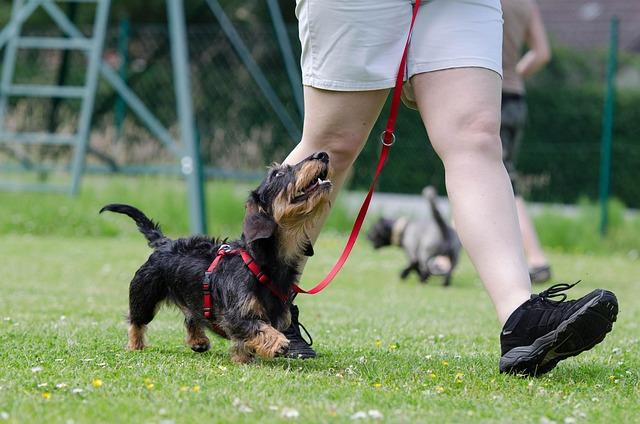
As you progress, consider adding more advanced commands to your repertoire. Commands like Leave It, which teaches your dog to ignore distractions, and Heel, which encourages walking politely beside you, can be game-changers during busy walks.Don’t forget to sprinkle in fun tricks like Roll Over and Play Dead to keep things exciting. Check out the following table for additional commands and their benefits:
| Command | Benefit |
|---|---|
| Sit | Helps with impulse control |
| Stay | Promotes safety in social situations |
| Come | Strengthens recall and trust |
| Leave It | prevents scavenging and risky situations |
| Heel | Encourages polite leash behavior |
Fun Training Games to Keep Your Dog Engaged
Keeping your furry friend mentally stimulated is just as notable as physical exercise. Incorporating fun training games into your daily routine not only strengthens your bond but also sharpens their mind. One great way to mix fun with function is by playing Hide and Seek. Start by having your dog stay in one room while you hide in another. Call your dog’s name after you’ve tucked away, and watch their excitement as they search for you! You can also up the challenge and hide their favorite toy or treat, turning it into a treasure hunt they’ll adore.
Another engaging game to try is the Interactive Puzzle Toy Challenge. These toys come in various difficulty levels, and they’re perfect for stimulating your pup’s problem-solving skills. Simply hide treats inside the toy and let your dog figure out how to get to them.For added fun, you can create a DIY Agility Course in your backyard with everyday items like chairs, broomsticks, and hula hoops. Set up jumps and tunnels and guide your pup through with treats, making it a thrilling race. Your dog will love showing off their skills, and you’ll get to enjoy the laughter and joy that comes along with these playful activities!
Troubleshooting Common Training challenges
Training your furry friend should be a joyful journey, but it’s not uncommon to hit a few bumps along the way. If your pup seems uninterested or confused, consider evaluating your training techniques. Consistency is key—ensure that everyone in your household is on the same page with commands and rewards. In addition, try to keep training sessions short and fun. Dogs have short attention spans,so aim for brief,engaging sessions filled with praise and rewards.And don’t forget to mix it up! Incorporate new commands, games, and environments to keep things exciting for both you and your dog.
If you find that your dog is struggling with specific commands or behaviors, it might be time to switch up your approach.Positive reinforcement often works wonders, but not every dog responds the same way. Experiment with different types of rewards, such as treats, toys, or even playtime. Here are some possible reasons for training setbacks:
| Challenge | Solution |
|---|---|
| Lack of Focus | Reduce distractions in the environment. |
| Unmotivation | Try high-value treats or different rewards. |
| Inconsistency | Set clear rules and stick with them. |
| Fear or Anxiety | Take a relaxed approach and go at your dog’s pace. |
Remember, training is not just about teaching commands; it’s a bonding process between you and your dog. Celebrate the little victories, learn from the challenges, and keep that positive energy flowing.Your patience and determination will pay off big time in the long run!
Q&A
Q&A: Fetch the Fun: Your Ultimate Guide to Dog Training!
Q1: Why is dog training important?
A1: Well,let’s be honest—nobody wants a dog that pulls you down the street like a freight train or jumps on every guest that walks through the door! Training helps your pup learn manners,boosts their confidence,and strengthens your bond. Plus, a well-trained dog is just a lot more fun to hang out with!
Q2: What’s the first step in training my dog?
A2: The very first step? Patience, my friend! but really, start with the basics—focus on establishing a routine and teach those essential commands like “sit,” “stay,” and “come.” A consistent schedule helps your pup learn faster. think of it as laying the groundwork for a well-behaved furry superstar!
Q3: Do I need fancy equipment to train my dog?
A3: Nah, not at all! While fancy collars and clickers can help, the best tools you have are your voice and treats. Use small, tasty snacks as motivation (make sure they’re pup-approved!), and don’t forget to shower your dog with praise when they do something right—your excitement is contagious!
Q4: I’ve heard mixed things about using treats—should I rely on them?
A4: Treats can be a fantastic motivator, but moderation is key! You don’t want your pooch turning into a chunker. Start with treats, but gradually phase them out as your dog becomes more responsive. Let your hugs and affection do the heavy lifting in the long run!
Q5: How do I deal with stubborn behavior?
A5: Stubborn dogs! They can make you want to pull your hair out, right? The secret here is creativity and diversion. If they’re being rebellious, try switching up your training methods. Mix in playtime, use different commands, or even train in a new location. And remember: patience is your best friend!
Q6: What’s the best age to start training my dog?
A6: The earlier, the better! Start training your pup as soon as you bring them home, ideally around 8 weeks old. But don’t fret if you’ve adopted an older dog; adult dogs can learn new tricks, too! It’s never too late to teach your furry friend some good ol’ manners.
Q7: how long should each training session be?
A7: Short and sweet is the name of the game! Aim for 5-10 minutes for younger pups and up to 15 minutes for older dogs. Their attention spans can be a bit like a goldfish, so keeping sessions brief will help keep them engaged and excited!
Q8: What if my dog misbehaves during training?
A8: First off, chill out! Mistakes happen. Instead of losing your cool, redirect their energy with a toy or a different command. If they’re still acting up,it might be time for a break. Remember, training should be fun for both of you—so keep it lighthearted!
Q9: can I train my dog without going to a professional?
A9: absolutely! While a trainer can give you expert advice, many owners have successfully trained their dogs at home using resources like books, online videos, and this little guide right here! Just stay committed, and don’t forget to have fun. Follow your pup’s lead, and you’ll both be just fine!
Q10: Any last tips for me and my dog training journey?
A10: You bet! Enjoy the process and celebrate the small victories! Every sit and stay deserves a little happy dance. Also, don’t be afraid to ask fellow dog owners for tips or join a local training class for extra support. and remember, a happy dog is a trained dog, so let’s fetch that fun together! 🐾
There you have it! Grab some treats, get your game face on, and let’s make training a blast for you and your furry companion!
Concluding Remarks
And there you have it—your ultimate guide to making training a blast for both you and your pup! Remember, it’s all about patience, fun, and a sprinkle of treats to keep things exciting. Every wag of their tail and happy bark is a step closer to the well-behaved buddy you’ve been dreaming of!
So go ahead and fetch some fun with your furry friend! Whether you’re perfecting the basics or diving into some cool tricks, the journey of training can be one of the most rewarding parts of dog ownership. Don’t forget, consistency is key, but a little playfulness never hurts!
Thanks for hanging out with us today! We’d love to hear how your training adventures go, so drop us a comment with your success stories (or hilarious training fails—we all have ’em!). Until next time, happy training, and give your doggo some belly rubs from us! 🐾✨