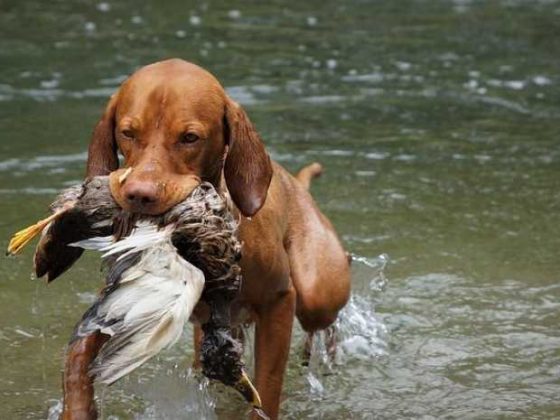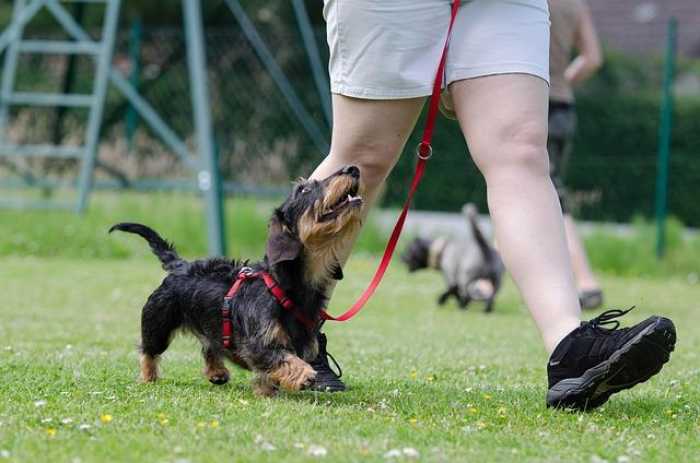
Hey ther, fellow dog lovers! 🐾 If you’ve recently welcomed a furry friend into your life, congratulations! Getting a new pup is like opening a gift full of joy, wagging tails, and the occasional chewed shoe.But let’s be real—training can be a bit of a head-scratcher, especially if you’re new to the doggie parent game. Don’t worry, though—we’ve got your back with some super simple and fun training tips that’ll have your pup fetching like a pro in no time! So grab your favorite treat bag, a squeaky toy, and let’s dive into the world of dog training with a smile. Your goofball is about to become the star of the park! 🌟🐶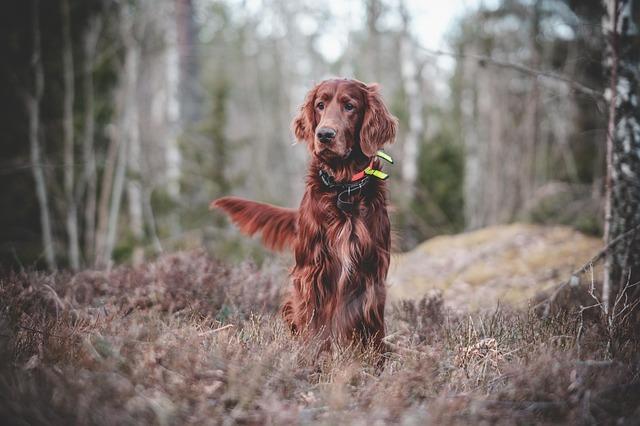
Get Started with Fetch: choosing the Right Toys for Your Pup
Finding the perfect toys for your furry friend can make all the difference when it comes to a prosperous game of fetch.Not all toys are created equal, and your pup will have their own preferences.Here’s what to consider when choosing fetching toys:
- Durability: Look for toys made from tough materials that can withstand your dog’s chewing.
- Size: Ensure the toy is the right size for your breed. A larger dog may inadvertently choke on smaller toys, while a tiny toy may be lost in the jaws of a larger dog.
- Floatability: If you’re planning fetch sessions by the water, consider toys that float!
- Noisemakers: Toys with squeakers or rattles can add an extra layer of excitement for your pup.
To help you in your quest for the right fetching toy, take a look at the comparison table below:
| Toy Type | Best For | Durability |
|---|---|---|
| rubber Balls | Active and enthusiastic chewers | High |
| frisbees | Dogs who love to leap and catch | Medium |
| Rope Toys | Interactive tug-of-war | Medium |
| Floating Plush Toys | Water-loving pups | Low |
Mastering the Basics: Teaching the Fetch Command in Simple Steps
Getting started with the fetch command is all about creating a fun and engaging atmosphere for your furry friend. Begin by selecting a toy or ball that your dog is excited about—something they can’t resist! Once you have the perfect item,throw it a short distance and encourage your dog to go after it. use an enthusiastic voice to call them back, saying something like, “Come here!” or “Bring it back!” This creates a positive association with returning the item to you, which is crucial for success.
Consistency is key, so always reward your pet with treats or praise when they bring the toy back. This reinforces the behavior you’re trying to teach. To help them understand the command better, consider breaking it down into stages:
- Step 1: Encourage them to chase the toy.
- Step 2: Use the fetch command as they pick it up.
- Step 3: Reward them as they return the toy.
With a little patience and practice, your dog will be fetching like a pro in no time!
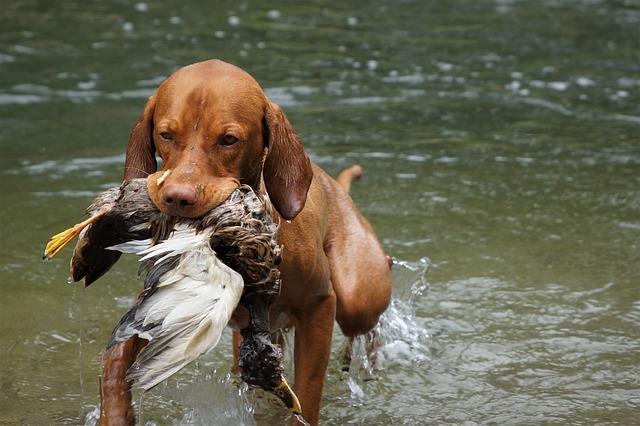
Positive Reinforcement: How to Reward Your Dog for Success
When it comes to training your furry friend, the key to success lies in understanding the power of reward. Positive reinforcement is all about celebrating your dog’s achievements, big or small.Whether it’s a fetch session or learning to sit, the right incentives can make training a fun experience. Here are a few *simple ways* to reward your pup:
- Tasty Treats: Use small, bite-sized treats that your dog loves. It can be a piece of kibble or a special dog treat they’ve never had before.
- Verbal Praise: Your excited voice can be just as rewarding! Pair a cheerful “Good Boy!” or “Well Done!” with every success.
- Playtime: Incorporate a fun game or extra fetch session as a reward. Dogs thrive on play,and knowing they can earn it will keep them motivated.
- Affection: A good belly rub or scratch behind the ears can make your dog feel loved and validated for their efforts.
To better organize your training sessions and rewards,consider keeping a simple log of successful behaviors and associated rewards. This can definitely help you observe patterns and adjust accordingly. Here’s a handy table to keep track:
| Behavior | Reward |
|---|---|
| Fetching the ball | Treat + Playtime |
| Sitting on command | Verbal praise + Belly rub |
| Staying put | Extra play session |
This table is a great way to visualize how your dog is progressing and what motivates them. The more consistent you are with your rewards, the more your pup will associate good behavior with positive outcomes. Stick with it, and watch your dog thrive!
Common Challenges: What to Do When Fetch Gets Stale
Every pup can experience a dip in enthusiasm during fetch, which can be frustrating for both you and your furry friend. When your dog seems uninterested or bored with the game,it’s important to inject some fun and variety into the routine. Start by changing the toy; using a different ball, frisbee, or even a squeaky toy can rekindle their interest. You might also consider shorter sessions to keep things exciting. dogs, much like humans, can get fatigued or overstimulated, so keeping fetch sessions brief can prevent burnout. Adding obstacles or new locations can give them a fresh viewpoint on the game, sparking their curiosity and playfulness again.
Another effective strategy is to incorporate a reward system to make fetch feel like a game rather than a chore. Dogs love treats, so why not use them to your advantage? After a successful retrieval, give your dog a treat or lots of praise to reinforce the behavior. Consider creating a fun fetch scoreboard to track progress and motivate your pup with amiable competition either with you or other pets.Here’s a simple way to visualize this:
| Fetch Session | Toy Used | Duration (mins) | Dog’s Mood |
|---|---|---|---|
| 1 | Green Ball | 10 | Super Happy! |
| 2 | Frisbee | 5 | Bored |
| 3 | Rope Toy | 15 | Excited! |
Q&A
Q&A: Fetch Success: Easy Dog Training Tips for Newbies!
Q1: Why is it critically important to train my dog to fetch?
A: Fetch isn’t just a fun game; it’s an awesome way to bond with your pup! Plus, it provides physical exercise and mental stimulation, which are crucial for keeping your dog happy and healthy.Plus, who doesn’t love a dog that knows how to “bring it back”?
Q2: How do I choose the right toy for fetch?
A: Great question! Opt for something your dog loves—be it a ball, frisbee, or squeaky toy. Just make sure it’s the right size for your pooch. A toy that’s too small can pose choking hazards while one that’s too big might be unwieldy for them to pick up. Choose something durable, too, so it can survive those enthusiastic chomps!
Q3: What if my dog doesn’t bring the toy back?
A: No worries—this is super common! Start by encouraging your dog to retrieve the toy and when they do, use cheerful praise to motivate them. If they take off with it, try using treats to lure them back. Gradually, they’ll start to associate fetching with fun and rewards!
Q4: How do I teach my dog to drop the toy?
A: “Drop it” is a game-changer when it comes to fetch! Start by showing them a treat while they’re holding the toy. When they drop the toy to get the treat, reward them! Over time, add the command “drop it” when you hold out the treat. Eventually, they’ll drop the toy on command!
Q5: How long should I train my dog each session?
A: Keep it short and sweet—10 to 15 minutes is perfect for most dogs, especially when starting out. You want your pup to stay engaged and excited,not burnt out. You can always come back for another round later!
Q6: Can older dogs learn to fetch too?
A: Absolutely! It’s never too late for a dog to learn new tricks. Just be patient and adjust your training to match their energy levels. Older dogs might take a little more time to grasp the concept, but with consistency and positivity, they’ll get the hang of it!
Q7: What if my dog loses interest in the game?
A: Mix it up! If fetch begins to feel repetitive, introduce new toys or change locations. Sometimes a game of fetch at the park or incorporating obstacles can reignite their enthusiasm. Remember, keeping it fun is key!
Q8: Are there any tips for playing fetch indoors?
A: For indoor fetch, opt for soft toys that won’t wreck your furniture or walls. A hallway or a spacious living room can be great for this. Use short throws and be sure to clear the area of any breakables to ensure a good time without the worry!
Q9: How do I prevent my dog from becoming too obsessed with fetch?
A: Balance is key! Establish limits on fetch time and switch it up with other activities like walks, tug games, or scent work. This variety will help keep your pup well-rounded and prevent them from becoming overly fixated on just one game.
Q10: What should I do if my dog doesn’t seem interested in fetching anything?
A: Some dogs just aren’t into fetch, and that’s totally fine! Try different toys or other interactive games like hide and seek or agility courses. The goal is to find what excites your pup and gets their tail wagging!
And there you have it! With these tips, you’ll be on your way to fetch success in no time. Happy training! 🐾
The Way Forward
And there you have it, folks! Fetch doesn’t have to be just a game; with these easy tips, it can be a fantastic bonding experience that enhances your pup’s training.Remember, consistency is key, and every little success counts. So grab that tennis ball, head to the park, and let the fun begin!
Don’t get discouraged if things don’t go perfectly right away. Just like us, our furry friends need a little time to catch on. Keep those sessions short, upbeat, and rewarding, and soon enough, you’ll have a fetch champion on your hands!
Oh, and don’t forget to share your progress—we love hearing about your adventures in dog training! Drop your success stories or any questions in the comments below, and let’s cheer each other on. Happy training! 🐾🎾