Mastering Dog Training at Home: Tips for Paws-itive success!
Hey there, fellow dog lovers! 🐾 So, you’ve got a furry sidekick who’s full of energy and personality, but when it comes too training, things might feel a little chaotic. Don’t worry, you’re not alone! Training your pup at home can be a mix of giggles, tail wags, and a few “uh-oh” moments along the way. But with the right tips and a dash of patience,you can turn your living room into a canine classroom! Weather you’re working on sit and stay or tackling a few quirky habits,our pawsitive guide is packed with fun insights and practical advice to help you and your pooch master those skills together. Grab some treats, and let’s jump right in—training your dog at home can be a rewarding adventure for both of you! 🐶✨
Getting Started with the Basics: Setting the Scene for Success
To embark on the adventure of dog training, a little preparation goes a long way! Begin by creating a designated training space at home, which will help your furry friend associate that area with learning and good behavior. Consider the following tips to optimize your environment for success:
- Choose a quiet spot: Minimize distractions to help your dog focus.
- Gather your tools: Treats, clickers, and toys should be easily accessible.
- Set a regular schedule: Consistency is key, so train at the same time daily.
Next, think about your mindset and attitude—after all, dogs are incredibly perceptive! Keep training sessions short and fun to maintain enthusiasm. Here’s a speedy checklist to keep you on track:
| Tip | Description |
|---|---|
| Stay positive! | Encourage your dog with praise and treats to reinforce good behavior. |
| Read the room! | Be aware of your dog’s energy levels and adapt your training accordingly. |
| Have patience! | Training takes time; don’t rush the process and celebrate small victories. |
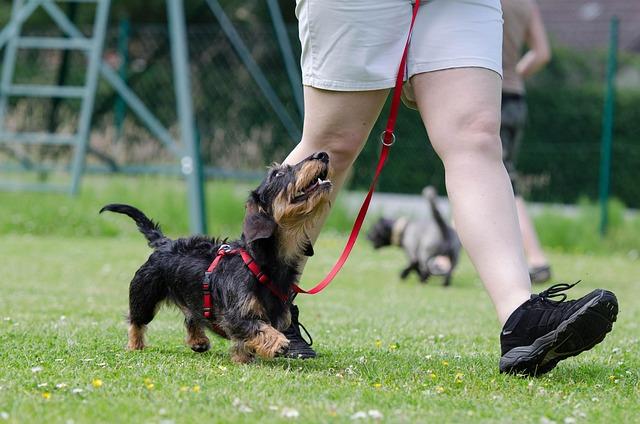
Creating a Tail-Wagging training space at Home
Transforming a corner of your home into a cozy training space can make all the difference in your dog’s learning experience. start by choosing a quiet area with minimal distractions—a serene spot where both you and your furry friend can focus on fun and learning. Lay down a comfortable mat or training pad, which can serve as a designated ‘classroom’ space. Consider including multiple training aids, such as:
- Interactive toys: Keep your dog engaged and mentally stimulated.
- Treat jars: Use yummy rewards to motivate your pup.
- Clickers: Train your dog with clear cues they’ll easily understand.
- Training books or guides: Stay informed with tips and techniques.
Lighting also plays a significant role. A brightly lit space can boost enthusiasm and positivity during training sessions. Don’t forget to add your dog’s personal flair—is there a favorite blanket or a unique toy that your pup loves? These small touches make the space feel inviting and safe. For an added twist, try creating a simple chart to track progress and achievements, showcasing your dog’s milestones right on the wall. Here’s a quick idea:
| Skill | Date Started | Progress |
|---|---|---|
| Sit | 01/01/2023 | ✔️ Completed |
| Stay | 01/05/2023 | ✔️ In Progress |
| Roll Over | 01/10/2023 | ❌ Not Started |
Consistency is Key: Establishing Routines Your Pup Will Love
One of the best ways to ensure your furry friend thrives is by establishing a solid routine that sets clear expectations. Dogs thrive on predictability, so creating a schedule around feeding, walks, and training sessions can significantly enhance their behavior and reduce anxiety. Consider incorporating a variety of activities to keep things exciting. Here are some fun additions to your routine:
- Interactive Playtime: Schedule daily play sessions with toys or games that challenge your dog’s brain.
- Training Treats: Use meals as training opportunities by making your pup work for their kibble through simple commands.
- Paw-some Adventures: Mix up your walks with visits to a local park or a trail to stimulate their senses.
Another essential aspect of a successful routine is consistency in commands and rewards. Use the same words and signals for commands every time, ensuring everyone in the household is on the same page. This helps avoid confusion and reinforces learning. Consider the following tips when working on consistency:
| Command | Behavior | reward |
|---|---|---|
| Sit | Pup lowers their bottom to the ground. | Small treat or praise. |
| Stay | Pup remains in place until released. | Pat and verbal praise. |
| Come | Pup approaches you promptly. | Treat and lots of affection! |
Fun and Games: Turning Training into a Pawsitive Playtime
Training doesn’t have to be a serious affair; in fact, it can be downright *fun*! Incorporate games into your dog’s training routine to keep their energy up and help them learn through play. Here are a few ideas to transform your training sessions:
- Hide and Seek: Hide somewhere in your home and call your dog. When they find you, reward them with treats and praise!
- Obstacle Course: Set up a mini obstacle course in your yard or living room using cushions, chairs, and tunnels to encourage agility and obedience.
- Fetch with a Twist: teach your pup to fetch specific items, like their favorite toy, to reinforce commands while having a blast.
To track your dog’s progress and make it easy to observe how much fun they’re having, consider creating a simple *Fun & Games* chart:
| Activity | Frequency | Dog’s Response |
|---|---|---|
| Hide and Seek | Once a week | Excited tail wags! |
| Obstacle Course | Twice a week | Can’t stop jumping! |
| Fetch | Every day | Bringing back the ball! |
Q&A
Q&A: Mastering Dog Training at Home: Tips for Pawsitive Success!
Q1: Why should I train my dog at home?
A1: Training at home is a fantastic way to bond with your furry friend! It saves you money on classes and allows you to create a tailored training plan that fits your dog’s personality and your lifestyle. Plus, working in a familiar environment can help reduce distractions and anxiety for your pup.
Q2: What are some basic commands I should focus on?
A2: Start with the classics! commands like “sit,” “stay,” “come,” and “leave it” are foundational. these will help you manage your dog’s behavior in various situations. Not to mention, they’re pretty notable party tricks!
Q3: How do I keep my dog engaged during training sessions?
A3: Mix up your routine to keep things fun! use treats, toys, and praise to reward good behavior.Keep sessions short—about 5 to 10 minutes—so your pup doesn’t get bored or overwhelmed. And remember, lots of excited encouragement goes a long way!
Q4: What if my dog doesn’t seem to get it?
A4: Patience is key, my friend! Every dog learns at their own pace. If your dog isn’t picking something up, try breaking it down into smaller steps or switching up how you’re teaching it. Sometimes a little change in approach can lead to those “aha!” moments.
Q5: How often should I train my dog?
A5: Consistency is crucial! aim for daily training sessions, even if they’re just short ones. Reinforcing lessons regularly helps your dog remember what they’ve learned.plus,it’ll keep both your brains sharp!
Q6: What common mistakes should I avoid?
A6: One of the biggest blunders is being inconsistent with commands or rewards.If you let your dog get away with something one day and scold them for it the next,it can confuse them. Stick to a set of rules and be sure all family members are on the same page.
Q7: Are there any specific tools I should use?
A7: A few handy tools can make training much easier! A good leash, some tasty treats, and some patience are critical. Training aids like clickers or treat-dispensing toys can also be helpful to reinforce commands during training sessions.
Q8: What if my dog is really hyperactive?
A8: Hyper dogs need a little extra love! Higher energy pups often benefit from more physical exercise before training sessions. A brisk walk or a game of fetch can help burn off some energy, making it easier for them to focus. Also, keep training sessions upbeat and fun!
Q9: When should I seek professional help?
A9: If you find yourself struggling despite consistent training, or if your dog exhibits behavioral issues like aggression or extreme anxiety, it’s a good idea to consult a professional trainer or a behaviorist.There’s no shame in asking for help!
Q10: Any final tips for training success?
A10: Keep it fun and celebrate the small victories! Training should be a rewarding experience for both you and your pup. Enjoy the journey, embrace the silliness, and remember: a well-trained dog is a happy dog! 🐾
Ready to dive into dog training? You got this! Sharing your successes (and hilarious fails) along the way can make it even more fun—so don’t forget to celebrate your pup’s progress!
Concluding Remarks
And there you have it, fellow dog lovers! Mastering dog training at home is totally doable, and with these tips in your back pocket, you’re well on your way to building that pawsitive bond with your furry friend. Remember,consistency and patience are your best pals,just like your pup. Whether you’re teaching “sit,” perfecting “stay,” or adding a few fun tricks into the mix, every little bit of progress is cause for celebration.So grab those treats, put on your training cap, and take a deep breath – it’s all part of the adventure! We’d love to hear your training success stories, so feel free to share in the comments. And don’t forget to check back here for more pawsitive tips and tail-wagging tricks.Happy training, and give your pup some ear scratches from us! 🐾✨