Positive reinforcement is scientifically proven to be one of the most effective and humane ways to train your dog. It builds trust, strengthens your bond, and creates a dog who wants to work with you. But even when you’re committed to positive methods, small mistakes can slow your progress — especially when it comes to treats.
Food rewards are one of the most misunderstood parts of positive reinforcement training, yet for most dogs, they are also one of the most powerful tools we have. Used correctly, treats can accelerate learning and boost reliability. Used incorrectly, they can create confusion, frustration, or stalled progress.
Here are three essential tips to help you train successfully with treats.
#1 – Choose A High-Enough Value Reward
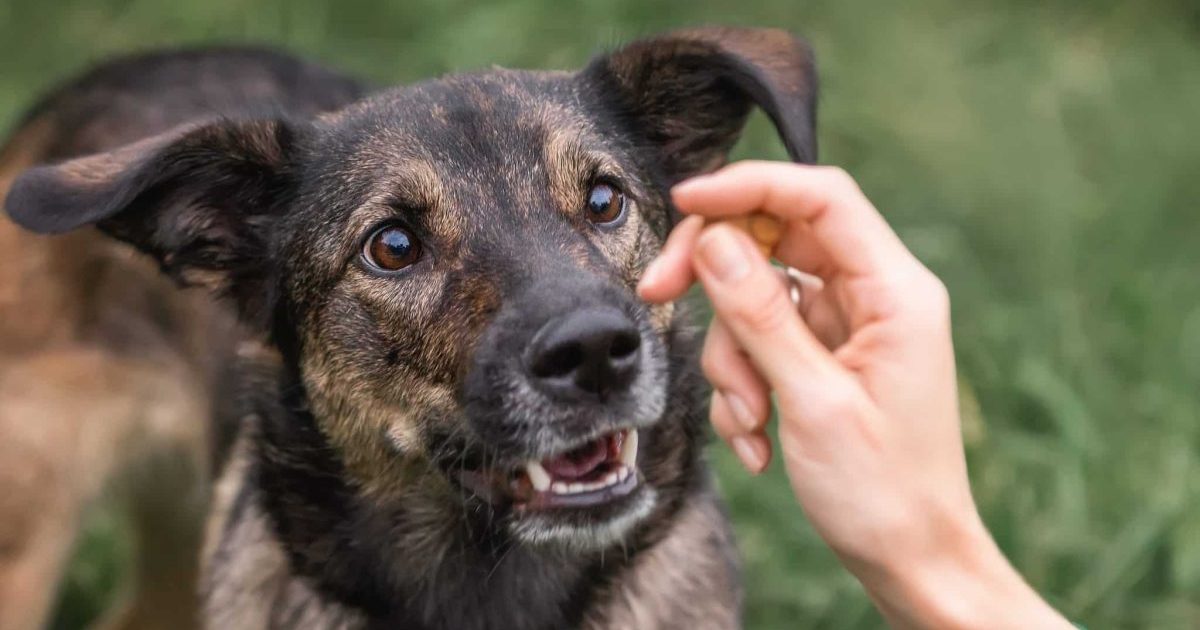
Not all treats are created equal, at least not in your dog’s eyes. For some dogs, their regular kibble is motivating enough, especially in low-distraction environments like your living room. For others, kibble simply won’t compete with squirrels, new smells, visitors, or stressful situations. The key is understanding that value is relative.
The difficulty of the task and the environment both matter. For example:
-
Teaching “sit” in your quiet kitchen? Kibble may work just fine.
-
Practicing recalls at the park? You’ll likely need something of much higher value.
-
Helping a fearful dog approach a new object, person, or car? Premium rewards are essential.
Think of treats like paychecks. If you’re asking your dog to do something challenging, scary, or highly distracting, the reward needs to match the effort.
A major red flag: if your dog refuses the treat or stops eating during training. This typically means one of two things:
-
The treat isn’t high enough value.
-
The environment is too stressful.
In those moments, raising the treat value, lowering distractions, or both can dramatically improve your results.
Pro Tip: Have a “treat hierarchy.” Reserve your highest-value rewards (like small bits of chicken, cheese, or freeze-dried meat) for the hardest tasks and biggest wins.
#2 – Choose the Right Type of Treat
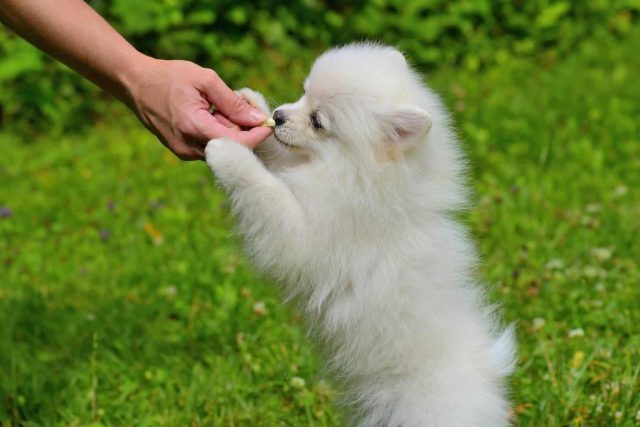
The physical characteristics of the treat matter more than many people realize. Small, soft, and easy-to-chew treats are ideal for training because they allow your dog to eat quickly and stay engaged. If your dog spends 15 seconds chewing a large, crunchy biscuit, you’ve interrupted the learning process.
This is especially important when:
-
Shaping behaviors
-
Capturing spontaneous good behavior
-
Teaching complex new skills
-
Working on fast-paced cues like recall or heeling
Timing is critical in positive reinforcement. The faster your dog can consume the reward, the faster you can mark and reinforce the next correct behavior. Additionally, the treat size should be tiny; pea-sized is usually perfect. You’re rewarding behavior, not feeding a meal.
For dogs with sensitive stomachs, look for:
You can also use small pieces of your dog’s regular meal for lower-distraction training and save richer options for more difficult work.
#3 – Be Mindful of Delivery
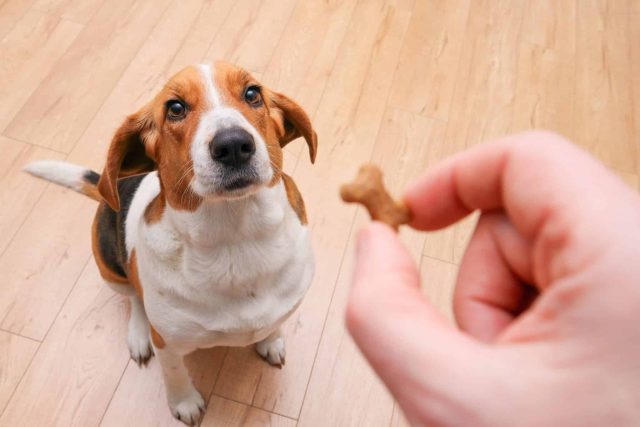
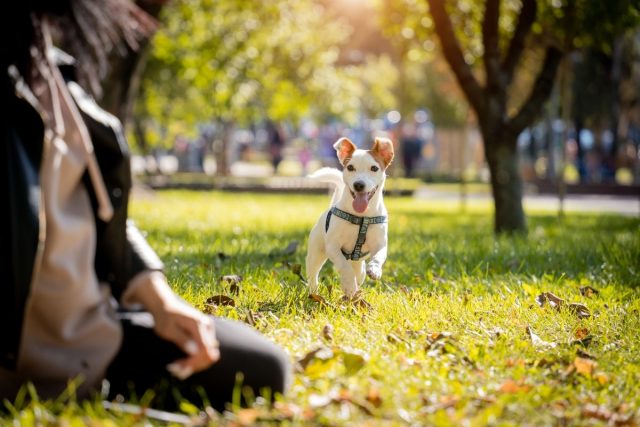
How you deliver treats can make or break your training clarity. Professional trainers often use treat pouches, not for fashion, but for function. A pouch allows you to keep rewards out of sight until after you’ve marked the desired behavior.
If you constantly hold a treat in your hand, your dog may begin responding only when they see the “bribe.” This creates a common problem: the dog listens when food is visible, but ignores cues when it’s not.
Instead:
-
Ask for the behavior.
-
Mark it clearly with a word (“Yes!”) or clicker.
-
Then reach for the treat.
This sequence teaches your dog that the behavior, not the sight of food, earns the reward. Also, be careful of subtle signals. Dogs are incredibly observant. If your hand is always hovering near your pocket or pouch before you give a cue, your dog will notice. You may unintentionally create dependency on that body language.
To avoid this:
-
Keep your hands relaxed at your sides.
-
Vary where treats are stored (pouch, pocket, counter).
-
Practice occasionally without visible food and reward from a hidden location.
Clear delivery builds reliability and prevents treat dependency.
Use Treats With Intention, Not As A Shortcut
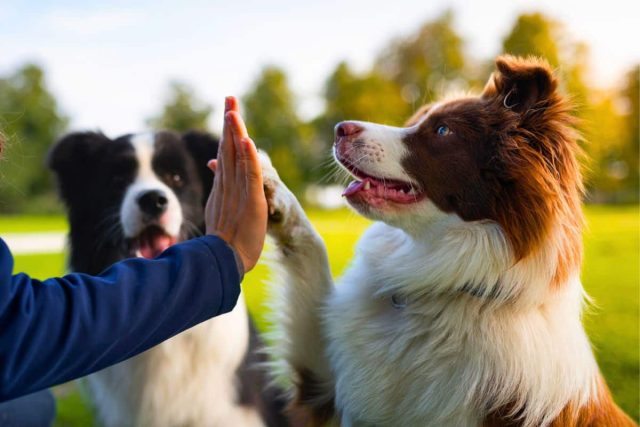
Treats are not bribes, they are communication tools. When used thoughtfully, they tell your dog exactly which behaviors are worth repeating.
Successful treat-based training comes down to three core principles:
-
Match the reward to the difficulty.
-
Use treats that support fast, clear learning.
-
Deliver rewards in a way that builds reliability, not dependence.
When you approach treat training with intention and consistency, you don’t just teach behaviors, you build confidence, clarity, and trust. And that’s what truly effective positive reinforcement is all about.
Training isn’t about controlling your dog. It’s about creating a partnership where your dog is motivated, engaged, and eager to learn. Used correctly, treats are one of the most powerful tools you have to make that partnership thrive.